

 New Customers Save 20%
 Free Delivery over £75
 Easy Returns
 1M+ Happy Customers

Spring is the perfect time to start cycle commuting. The weather is warming up, and nature is coming alive again. It's an ideal season to embrace a new, healthier routine. Cycle commuting offers numerous benefits; It improves fitness, reduces your carbon footprint, and saves money. Plus, it's a great way to enjoy the outdoors if you have a busy work schedule.
This guide will provide practical advice and cycling tips. You'll learn how to prepare, stay safe, and enjoy the ride.
Essential gear includes a helmet, lights, and reflective clothing. These items ensure safety and visibility on the road. A good lock is also important to secure your bicycle.
Planning your route is vital. Prioritise cycle lanes and quieter streets for a safer journey. Regular bike maintenance is also essential for efficiency and safety.
With these cycle commuting tips, you'll be ready to start cycling to work this spring. Enjoy the journey and the freedom that comes with it.
Why Start Cycle Commuting This Spring?

Spring is an inviting season to kickstart your cycle commuting. The mild weather and blooming scenery make each ride enjoyable, even later in the evening. It's a chance to shake off the winter sluggishness and embrace an active lifestyle that can even boost workplace productivity.
One compelling reason to start is the health benefits. Cycling regularly enhances cardiovascular fitness and strengthens muscles. It also aids in weight management and boosts mental well-being by reducing stress levels.
Environmental impact is another strong motivator. By cycling instead of driving, you decrease your carbon footprint. This choice contributes to cleaner air and less congestion in urban areas.
Financial savings are notable, too. When cycling to work, you save money on petrol, parking, and public transport fares. This extra cash can be directed towards other meaningful endeavours or hobbies.
Cycle commuting also enriches your daily routine. It's a productive use of commuting time, allowing for contemplation or listening to inspiring podcasts. It transforms the mundane commute into a rewarding experience.
Here are key reasons to consider cycle commuting this spring:
-
Improved physical and mental health
-
Reduced environmental impact
-
Cost savings
-
Enhanced daily routine
Choosing to cycle to work aligns with an eco-friendly, health-conscious lifestyle. Embrace the change and enjoy the many rewards this spring.
Choosing the Right Bike for Your Commute
Selecting the right bike is vital for a comfortable commute. The type of bike should match your commute's distance and terrain. Consider road, hybrid, or electric bikes depending on your needs.
A road bike suits commuters travelling long distances on smooth roads. Its lightweight frame and thin tyres make it efficient. Conversely, hybrid bikes offer versatility for varied terrains, combining features of road and mountain bikes.
If you have steep hills or longer commutes, an electric bike might be perfect. It provides battery-powered assistance, making uphill climbs more manageable. Additionally, it's an excellent option if you want to avoid arriving at work sweaty.
Comfort is paramount, so consider getting a bike fit. A proper fit minimises discomfort and reduces the risk of injuries. Adjustments in seat height and handlebar position can significantly impact your cycling experience.
As a reflective cycling brand, we have over a million customers worldwide, and a brand often mentioned amongst our commuters is Brompton Bikes. They’re great, specifically for city commuters looking for a compact design that's easy to store.
Here's a quick guide to choosing your bike:
|
Bike Type |
Best Use |
|
Road Bike |
Best for long, smooth rides |
|
Hybrid Bike |
Good for mixed terrains |
|
Electric Bike |
Ideal for hilly areas or longer distances |
Essential Gear and Accessories for Safe Cycling
Having the right gear is crucial for a safe cycling experience. Start with a well-fitting helmet, the foundation of cycling safety. Helmets protect your head in case of falls and are non-negotiable for safety.
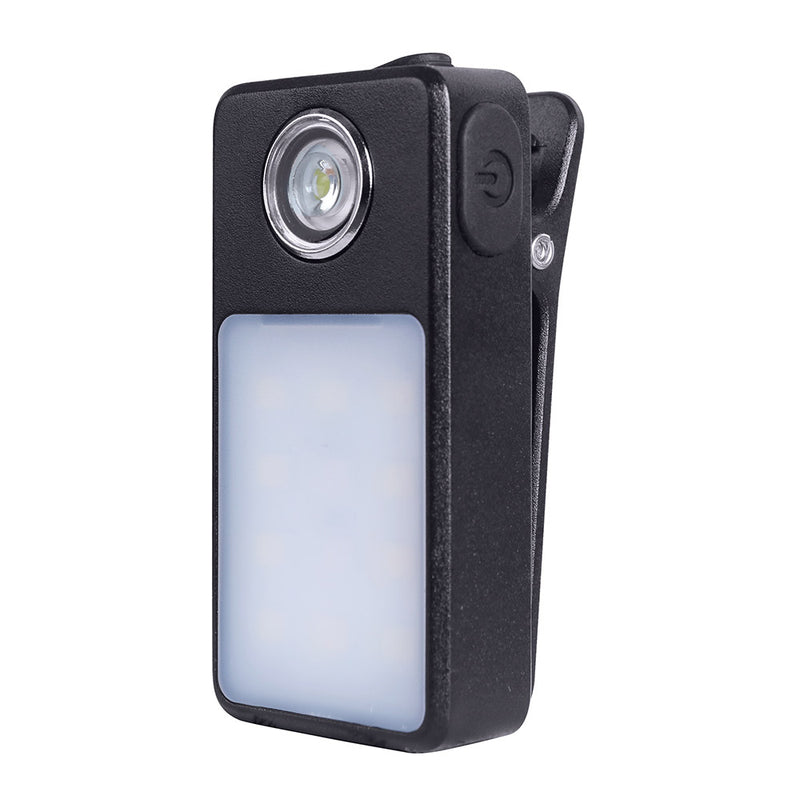
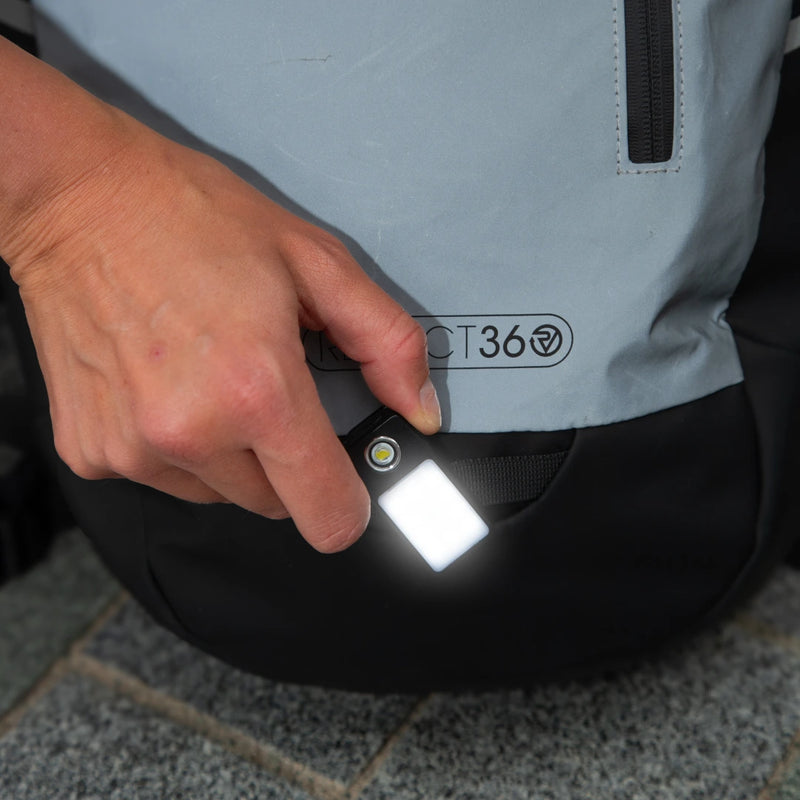
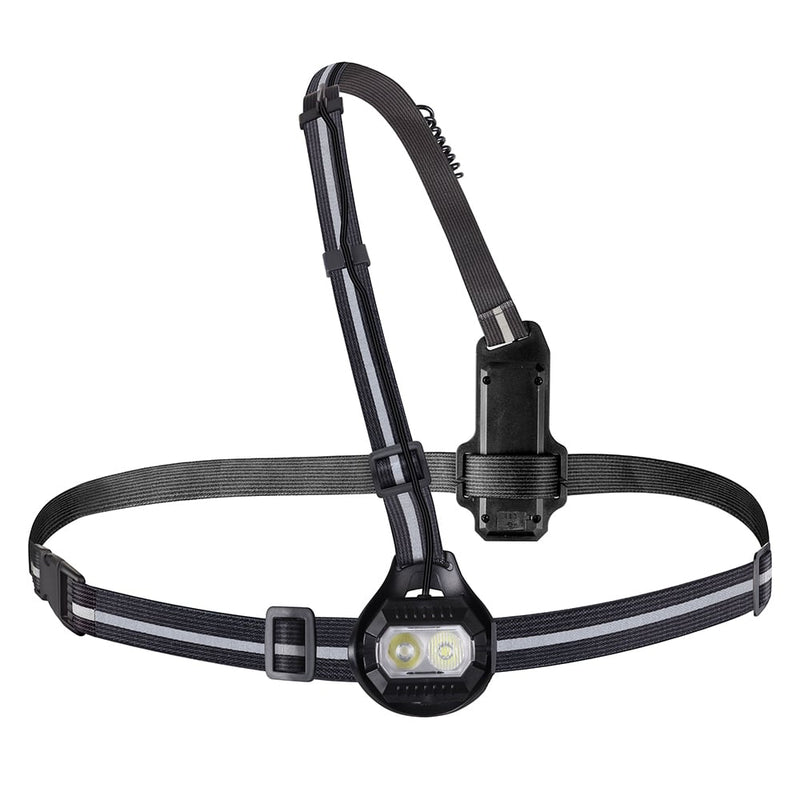
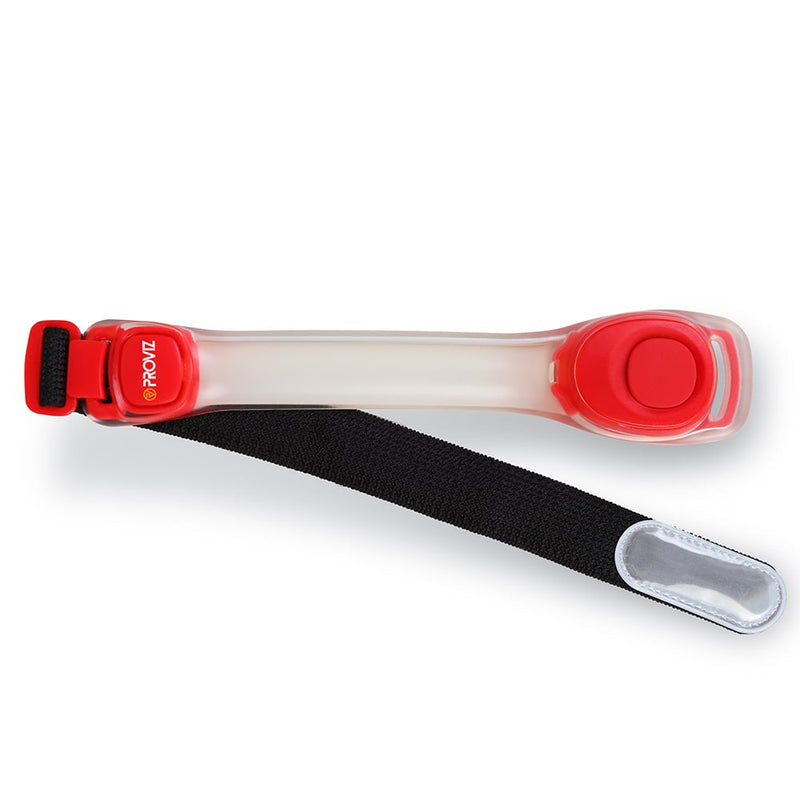
Lighting is another essential aspect. Equip your bike with front and rear lights. This ensures visibility, especially in low-light conditions or at night. Don’t underestimate the importance of being seen by other road users.
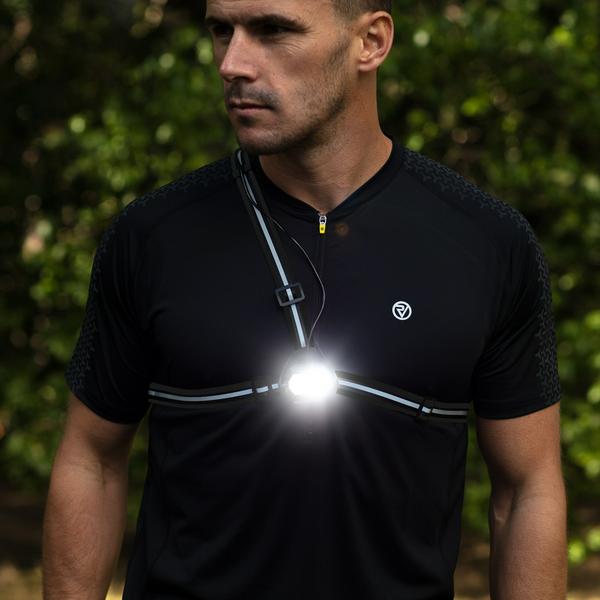
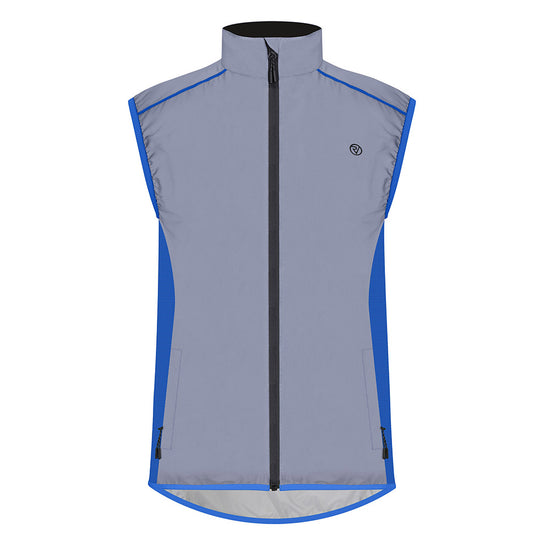
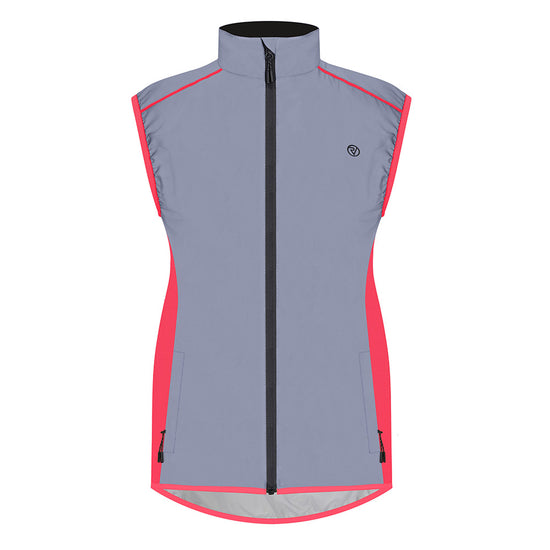
Reflective clothing adds an extra layer of visibility. Bright colours during the day and reflective strips at night greatly enhance your presence on the road. Wear jackets or vests designed with reflectivity in mind for added safety. This is where Proviz comes in; we are a world-leading brand in reflective innovation, offering head-to-toe kit for cycling commuters.
A robust bike lock is vital to keep your bike secure when not in use. Choose a lock that’s durable and reliable to deter theft effectively. D-locks and chain locks are popular options among cyclists.
Padded gloves can prevent hand fatigue and improve grip. Consider investing in a comfortable saddle to make longer rides more enjoyable.
Here’s a checklist of essential gear:
-
Helmet
-
Front and rear lights
-
Reflective clothing
-
Strong bike lock
-
Padded gloves
-
Comfortable saddle
Equipping yourself with the right gear not only ensures safety but also enhances your overall cycling experience. Make safety a priority by investing in these essential accessories for every ride.
Planning Your Route: Safety and Efficiency
Choosing the right route is essential for a safe and efficient commute. Take time to plan before heading out. Look for paths with cycle lanes, which offer safer environments away from car traffic.
Quiet streets are another great option. Less traffic means fewer potential hazards and a more relaxed ride. Explore various routes to find the one that suits your comfort level best.
Consider using technology to enhance your planning. Cycling apps provide valuable insights into route options. They help you avoid high-traffic areas and discover new paths.
Timing your commute can also impact your safety. If possible, avoid cycling during peak traffic hours when the streets are busiest. Early mornings or late afternoons might offer quieter roads.
Here’s how you can plan efficiently:
-
Prioritise cycle lanes and quiet streets
-
Use cycling apps for route planning or ask co-workers for their preferred routes nearby.
-
Time your ride to avoid peak traffic
Investing time in route planning enhances your cycling experience. It ensures a smooth, safe journey each day as you commute by bike.
Preparing for Spring Weather: Clothing and Comfort
Spring weather can be unpredictable, so dressing appropriately is vital. Layering your clothing is a key strategy. It allows you to adjust easily as temperatures change throughout the day.
Start with a base layer that wicks moisture away from your skin. This keeps you dry and comfortable.
Over it, wear an insulating layer to retain warmth during chilly mornings.
Don’t forget a lightweight, windproof jacket. This is crucial for protection against sudden gusts and light rain. Carrying a compact rain jacket or poncho can also be a lifesaver in unpredictable spring showers.
Pay attention to your extremities. Gloves keep your hands warm, improving grip and control over your bike. Consider wearing a cap under your helmet for extra warmth on colder days.
For enhanced comfort, follow these clothing tips:
-
Use moisture-wicking base layers
-
Carry a windproof or rain jacket
-
Wear gloves and a cap for warmth
Choosing the right attire helps ensure a comfortable and enjoyable commute. This preparation lets you adapt to spring’s changing weather seamlessly, making your rides more pleasant.

Building Confidence: Skills and Safety Tips
Starting cycle commuting can be intimidating, but building confidence is key. Begin with short rides in familiar areas. Gradually expand your route as your comfort increases.
Practice is crucial for mastering cycling skills. Focus on balance, steering, and braking. These skills form the foundation of safe cycling.
Awareness is important. Always scan your surroundings for potential hazards. Stay alert to other cyclists, vehicles, and pedestrians.
Safety gear boosts confidence, making you feel more secure. A helmet is essential. Lights and reflective clothing enhance visibility, especially in low-light conditions.
Consider these practical tips to improve your cycling confidence:
-
Master essential cycling skills: balance, steering, braking
-
Increase route complexity gradually
-
Wear safety gear for enhanced confidence
Join local cycling groups to build your skills. Group rides offer support and allow you to learn from more experienced cyclists.
Remember, confidence grows with experience. Be patient and persistent as you develop your cycling abilities. Each ride brings more assurance and ease. With time, cycling will become second nature, turning commutes into enjoyable adventures.
Managing Practicalities: Work Essentials, Storage, and Hygiene
Cycle commuting involves unique practical considerations. Ensuring you have the right setup for work essentials, storage, and hygiene is crucial for a smooth journey.
Carrying your work essentials requires thoughtful planning. Backpacks and panniers are popular choices for transporting laptops and documents. Consider waterproof options to protect belongings from unexpected weather.
Here are some practical tips for effective commuting:
-
Use waterproof bags or panniers for work essentials
-
Plan for a change of clothes to manage hygiene
-
Explore storage options that suit your bike
If your workplace offers amenities such as showers or lockers, make use of them. Such facilities can enhance your commuting experience, keeping you fresh and ready for the day. Efficiently managing these practicalities can make your cycle commute far more enjoyable and stress-free.
Health, Environmental, and Financial Benefits of Cycle Commuting
Cycle commuting brings a wealth of health benefits. Regular cycling boosts cardiovascular health and builds muscle strength. It also plays a crucial role in enhancing mental well-being by reducing stress.
Environmentally, cycling is a wonderful choice.
It drastically reduces your carbon footprint. By choosing to cycle, you contribute to cleaner air and less traffic congestion.
Financially, commuting by bike can save you a significant amount of money. You eliminate costs associated with petrol, parking, and public transport. Over time, these savings can be substantial.
Here are some of the top benefits of cycle commuting:
-
Enhances physical health and mental well-being
-
Reduces your personal carbon footprint
-
Saves money on transport costs
Additionally, consider the positive impact on urban development. With more people cycling, cities become greener and more sustainable. This shift promotes an eco-friendly lifestyle. Embrace cycle commuting to experience these benefits firsthand and make a difference in your community.
Overcoming Common Challenges and Staying Motivated
Starting cycle commuting in the spring is exciting but not without challenges. Beginners might face obstacles like bad weather or fatigue. However, there are strategies to overcome these issues.
Motivation can wane over time, leading to inconsistent cycling habits. One effective way to stay motivated is to set small, achievable goals. Celebrate each milestone, no matter how minor it seems.
Keeping a progress journal can help maintain enthusiasm. Documenting your rides and accomplishments can boost your morale. You'll see how far you've come since starting.
Here are additional ways to tackle common cycling challenges:
-
Dress appropriately for varying weather conditions
-
Set realistic, incremental goals
-
Connect with local cycling groups for support
Sometimes, challenges arise unexpectedly, like minor bike issues. Learning basic repair skills helps tackle these problems quickly. This knowledge reduces frustration and keeps you on track.
Lastly, remember the joy of cycling, the sights, and the freedom it offers. Reflect on these benefits whenever you feel your motivation slipping. This can reignite your passion for cycling, keeping you on track.
Joining the Cycling Community and Sharing the Journey
Connecting with other cyclists can enhance your commuting experience. A supportive community can provide insights and encouragement. Local groups often organise events and group rides.
Sharing experiences with fellow cyclists offers new perspectives. It helps you learn from seasoned riders and swap tips. The camaraderie also adds a social dimension to your rides.
Online forums and social media platforms are also valuable. They enable you to engage with cyclists worldwide. Discussing challenges and sharing successes fosters a sense of belonging. Plus, when you join a cycling group, your club can take advantage of the Proviz Clubs Discount Scheme.
Consider these ways to join and contribute to the cycling community:
-
Participate in local group rides
-
Engage in online cycling forums
-
Volunteer at cycling events
In essence, being part of a cycling community adds richness to your journey. You create connections, support each other, and fuel your cycling passion.
Conclusion: Embrace the Ride This Spring
Embracing cycle commuting this spring offers countless rewards. It enhances fitness, saves money, and respects the environment. Every ride can be a small adventure.
Starting might seem daunting, but preparation smooths the way. Equip yourself with the right tools and learn basic skills. You’ll find confidence grows with each ride.
Approach cycle commuting with an open mind and patience. Enjoy the journey and the freedom cycling brings. The route to work becomes more than just a commute; it transforms into a part of your healthy lifestyle.
Q&A
Question: How do I choose the right bike for my commute? Short answer: Match the bike to your distance and terrain, then prioritise comfort. Road bikes are efficient on smooth, longer routes; hybrids handle mixed surfaces; and electric bikes help with hills or longer distances so you arrive less sweaty. A proper bike fit—adjusting saddle height and handlebar position—reduces discomfort and injury risk.
Question: What essential gear do I need to commute safely? Short answer: Start with a well-fitting helmet, front and rear lights, and reflective clothing for visibility. Add a strong lock to secure your bike, plus padded gloves and a comfortable saddle for comfort on longer rides.
Question: How can I plan a safe and efficient route? Short answer: Prioritise cycle lanes and quieter streets, and use cycling apps to discover safer paths and avoid high-traffic areas. If you can, time your rides to miss peak traffic for a calmer, safer commute.
Question: What should I wear for unpredictable spring weather? Short answer: Dress in layers: a moisture-wicking base to stay dry, an insulating layer for chilly starts, and a lightweight windproof or rain jacket for gusts and showers. Gloves improve grip and warmth, and a thin cap under your helmet helps on colder mornings.
Question: What basic maintenance keeps my bike reliable for commuting? Short answer: Before rides, check tyre inflation, inspect brakes and replace worn pads, and keep the chain lubricated to prevent rust and wear. Simple, regular checks improve safety, efficiency, and your bike’s longevity.