

 New Customers Save 20%
 Fast Shipping
 Easy Returns
 1M+ Happy Customers

With the London Marathon ballot set to be announced soon, there has never been a better time to get serious about your running training. Whether you are targeting a 5K, a 10K, a half-marathon, or the full 26.2 miles, understanding your running pace is one of the most important steps you can take towards hitting a new personal best.
But what exactly is a running pace, and how do you know if yours is on track? This guide breaks it all down.
What is a Running Pace?
Your running pace is simply how long it takes you to cover one kilometre (or mile). It is usually expressed in minutes and seconds per kilometre — for example, 6:30/km means it takes you six minutes and thirty seconds to run each kilometre.

Knowing your pace helps you run smarter, not just harder. It lets you judge effort, plan race strategy, and avoid the classic beginner mistake of going out too fast and burning out before the finish line.
Average Running Paces by Distance and Gender
The table below shows average running paces for recreational and club runners across the most popular race distances. These reflect typical times for runners who train regularly but are not competing at an elite level.
|
Distance |
Men (avg pace) |
Women (avg pace) |
|
5K |
6:00 – 6:30 /km |
6:45 – 7:15 /km |
|
10K |
6:15 – 6:45 /km |
7:00 – 7:30 /km |
|
Half Marathon |
6:30 – 7:00 /km |
7:15 – 7:45 /km |
|
Marathon |
6:45 – 7:30 /km |
7:30 – 8:15 /km |
A few things worth noting: paces naturally slow as distance increases — most runners lose around 15–30 seconds per kilometre from their 5K pace to their marathon pace. The gap between men’s and women’s average paces is fairly consistent at around 45–60 sec/km, which reflects typical physiological differences in VO2 max and muscle mass.
Where Do You Fit? Pace Categories Explained
Not sure where your current pace sits? Here is a rough guide to help you find your level for a 10km distance:
|
Level |
Approximate Pace |
|
Beginner |
8:00 – 10:00+ /km |
|
Recreational |
6:00 – 8:00 /km |
|
Club / Intermediate |
4:30 – 6:00 /km |
|
Elite |
Sub 3:30 /km |

Why Pacing Matters for Endurance
One of the most common mistakes beginner runners make is starting too fast. You feel great in the first kilometre, then suddenly your legs are heavy, your breathing is ragged, and the distance still stretching ahead feels impossible.
Running at a controlled, sustainable pace — sometimes called your ‘easy pace’ or ‘conversational pace’ — is actually how you build endurance over time. You should be able to hold a short conversation while running. If you cannot, you are likely going too fast.
As your fitness improves, your easy pace will naturally get faster. That is how progress works in distance running. Be patient and trust the process.
How to Set Your Pace Goals
Once you know where your current pace sits, you can start to set realistic goals. If you are a beginner running at 9:00/km and want to target a 5K, your aim might be to gradually work down towards 8:00/km, then 7:30/km, over several weeks of consistent training.
Use the average pace tables above as a benchmark, not a pressure point. Remember: recreational runners typically run their 5K in the 6:00–8:00/km range. If you are outside that, do not worry — every runner starts somewhere, and consistent training is what moves you forward.
A structured training plan with a mix of easy runs, tempo runs, and long slow distances is the most effective way to improve your overall pace and build the endurance needed for longer races.
Gear Up for Your Next Run
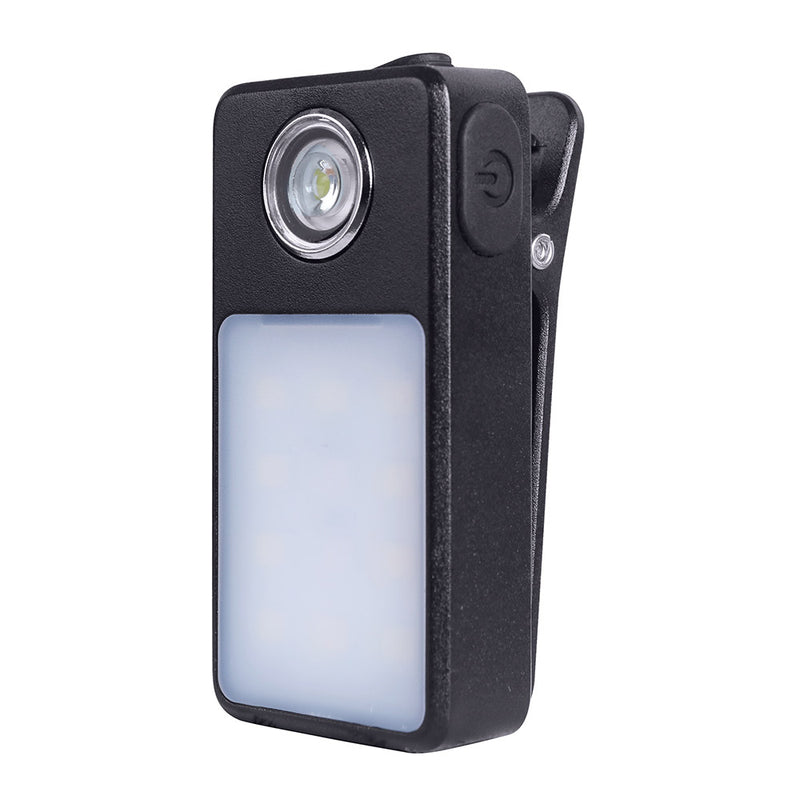
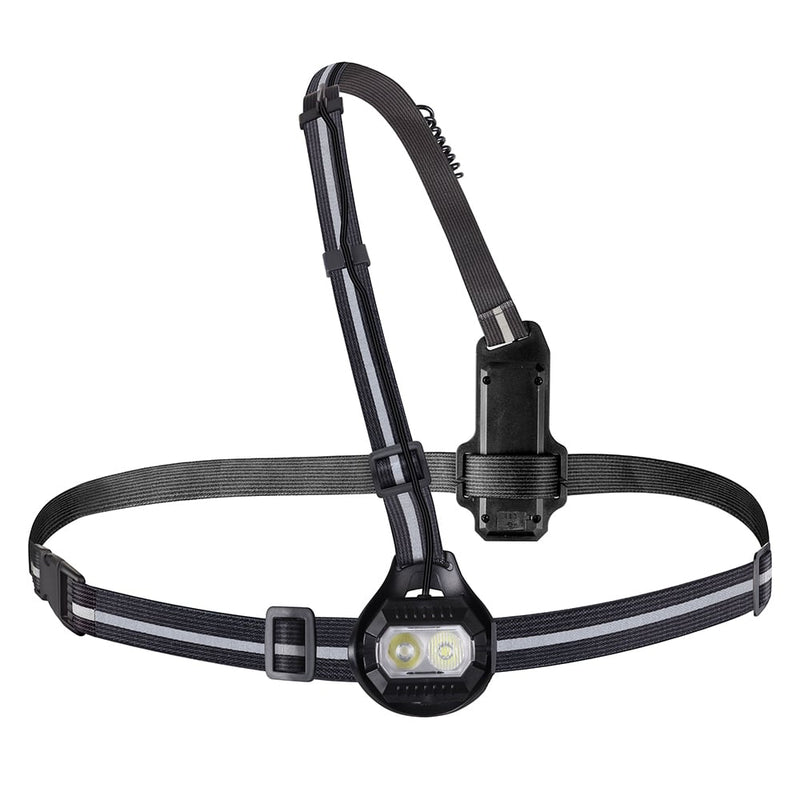
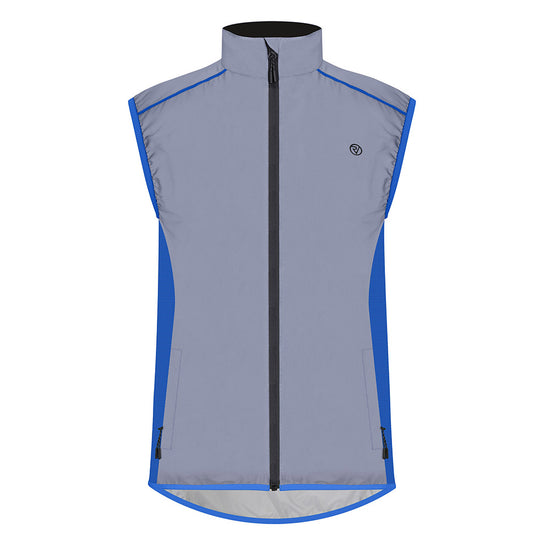
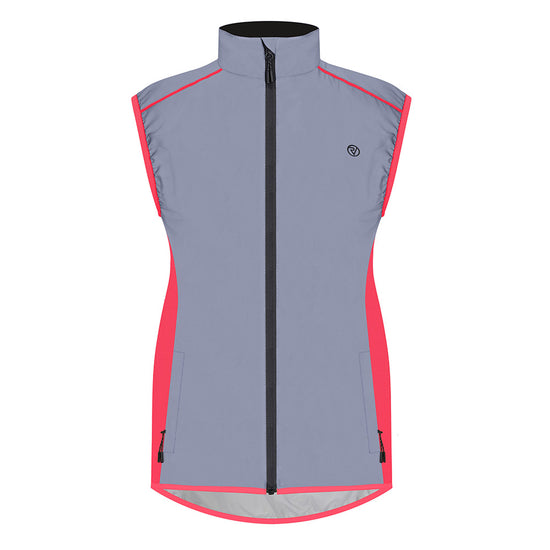
Whether you are just getting started or training for your first half-marathon, having the right kit makes every run more comfortable. Proviz’s running collection includes everyday gilets, long sleeve tops, and running accessories designed to keep you visible and comfortable on every run — whatever the weather.
Shop the Proviz Running Collection: