

 New Customers Save 20%
 Fast Shipping
 Easy Returns
 1M+ Happy Customers

Autumn racing comes with a different set of rules
You've done the training. The race is booked. Now comes the part most guides skip: autumn race days rarely happen in full daylight.
You may be travelling to the start before sunrise, standing on a start line in the half-light or heading home as the evening draws in. And on Sunday 25 October the clocks go back, so that journey home suddenly loses an hour of daylight.
We've teamed up with Enertor to put together everything you need for an autumn race. It covers what to sort the week before, what to wear, how to look after your feet and a final checklist to run through the night before.
The week before: test everything, change nothing
Race week is for checking, not experimenting. Anything new on race day is a gamble, whether that's shoes, insoles, a jacket or breakfast.
Check the start time against sunrise and sunset. Work out whether you'll travel, warm up or finish in the dark. If any part of your day happens in low light, plan your visibility kit now.
Run in your full race kit at least once. Choose a run at the same time of day as your race. This shows you where things rub, ride up or overheat.
Settle your footwear early. If you're adding insoles or changing shoes, do it weeks out, not days. Your feet need time to adapt.
Plan the journey both ways. Know where you're parking or which train you're catching, and how you'll get home once it's dark.
Charge anything with a battery. That means your watch, headphones and lights.
What to wear: layer for the start, dress for mile three
Autumn starts are cold, but you'll warm up fast once you're moving. Dress for how you'll feel a few miles in, then add layers you can shed or carry.
Base layer. Choose a lightweight, breathable top you've already raced or trained in. Our Lightweight Performance T-shirt has reflective sleeves, so your arm swing stays visible if you're running in low light.
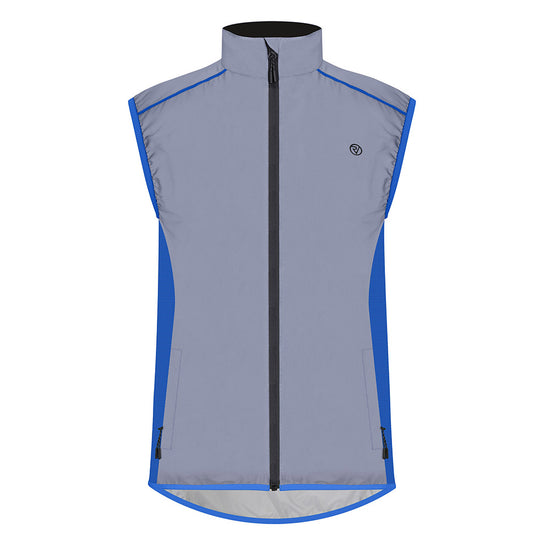
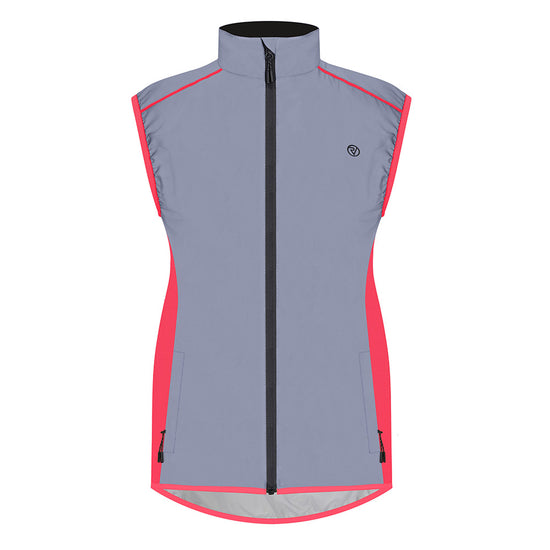
Mid layer for the start line. A gilet keeps your core warm while you wait, without overheating your arms. The Men's Reflective Active Gilet packs down small, so you can wear it to the start and stash it in your bag drop.
Outer layer for travel and the journey home. Wear a warm jacket before and after the race. That's also when you're most likely to be walking or cycling near traffic in the dark. A REFLECT360 jacket is fully reflective, so headlights pick you up from every angle.

Small extras that make a big difference. Movement catches a driver's eye. Reflective arm and ankle bands highlight your moving limbs, and they weigh next to nothing.
Look after your feet: they're doing all the work
Every mile lands on your feet. Autumn roads add wet leaves, puddles and cold tarmac, so comfort and support matter more than ever.
Get your footwear settled weeks out. Race day is not the day to try new shoes or insoles. Build up gradually in training so any issues show up early.
Think about support and cushioning. Choose shock-absorbing insoles that ease foot, shin and knee pain, so you can keep running.
Socks matter too. Wear the pair you've trained in. Pack a dry spare for after the race, because a wet start line and a cold walk home are a bad mix.

After the race, give your feet a break. Cushioned slides can absorb up to 50% of impact, easing tired joints and muscles.
Getting there and back: the part of race day nobody plans for
The race itself is usually well marshalled. The walk from the station, the ride from the car park and the journey home often aren't. In autumn, those are the moments you're most likely to be on a dark road.
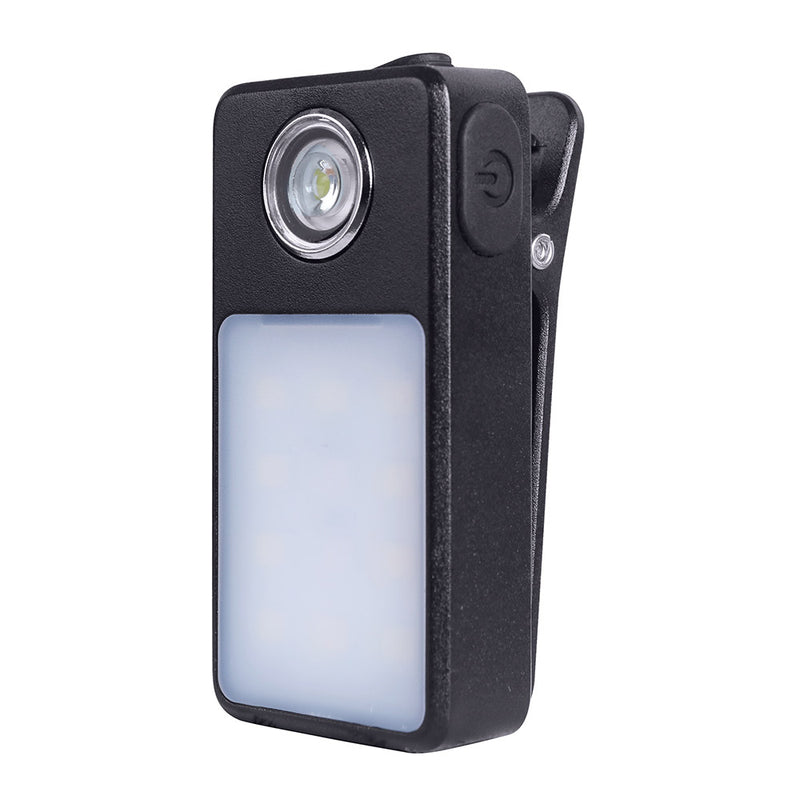
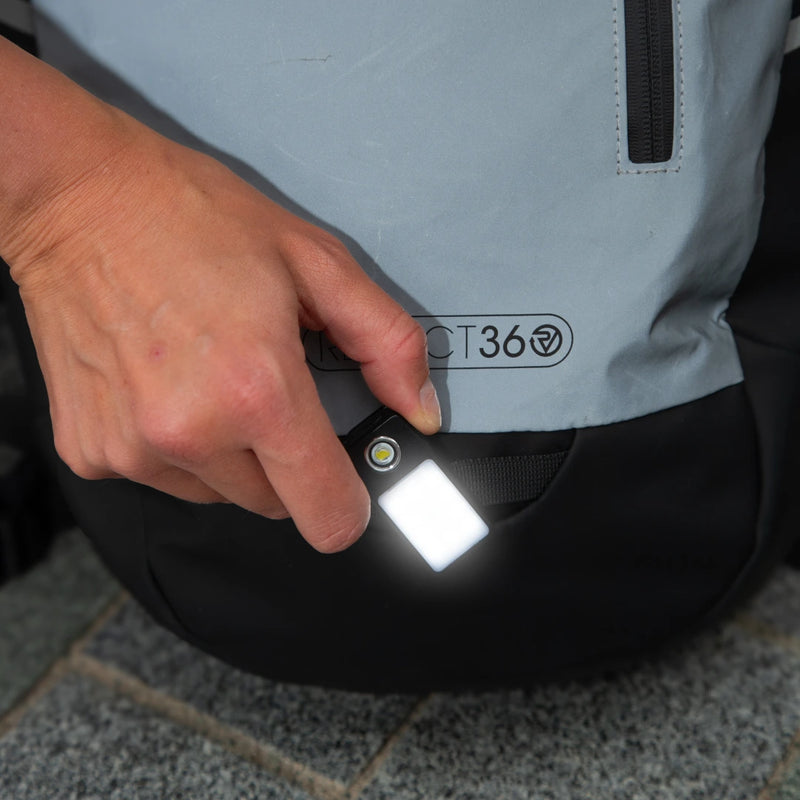
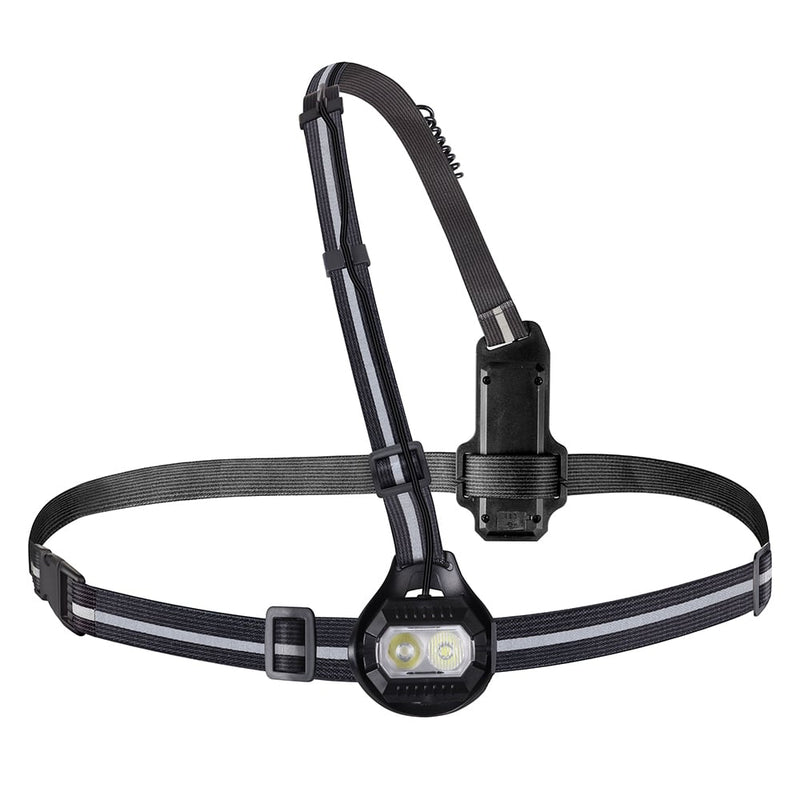
Be seen from a distance. Reflective kit relies on someone else's headlights. A light lets you be seen before that. The LED360 Chest Light gives 500 lumens and is visible from over 100m. It's USB rechargeable and weighs 161g.
Carry your kit in something visible. A fully reflective backpack keeps your post-race layers, spare socks and snacks together, and adds visibility to your back.
Plan the route home in advance. You'll be tired. Decide your route while you're fresh, and stick to lit roads where you can.
Change into dry, visible layers straight after. Get warm quickly. Put your reflective jacket back on before you leave the finish area.
Your autumn race-day checklist
Lay everything out the night before, and tick it off as it goes in your bag.
To wear: a race top, shorts or leggings, socks and shoes with your usual insoles, all tried and tested. Add a gilet or throwaway layer for the start.
To be seen: a reflective jacket for the journeys there and back, reflective arm and ankle bands, and a fully charged chest light.
To carry: your race number and safety pins, your timing chip if it's separate, fuel and water, dry socks and a warm layer for afterwards, and your phone, payment card and travel tickets.
To check: the start time, sunrise and sunset times, your travel route there and back, and that your watch and headphones are charged.
Ready for race day, whatever the light
Autumn racing rewards the runners who plan for the whole day, not just the 13.1 or 26.2 miles in the middle. Settle your feet early, layer up for the start and make sure you're seen on every journey.
If you're in the North West, join us on Thursday 29 October for the Proviz Nightmode Event: a 5km community run through MediaCity with Manchester Road Runners. Book your place at the Nightmode Event
Get your race-day kit sorted with 20% off your order when you spend £30 using code NIGHTMODE20.