

 New Customers Save 20%
 Fast Shipping
 Easy Returns
 1M+ Happy Customers

Last weekend, the streets of Manchester came alive. Tens of thousands of runners took on the Manchester Marathon — and social media did what it always does this time of year: it filled up with finish-line tears, personal bests, first-timers in disbelief, and strangers cheering strangers like old friends. If you've been watching from the sidelines and feeling that pull — that quiet, insistent voice asking "could I do that?" — then this article is for you.
Because the answer is yes. You absolutely can.
Marathon season is one of the most extraordinary phenomena in modern sport. From Manchester to Tokyo, London to New York, Boston to Berlin — every spring and autumn, millions of ordinary people do something that sounds, on paper, extraordinary. They run 26.2 miles. And they finish. And their lives are rarely the same afterwards.
Why Marathons Have a Magic Like Nothing Else
There's a reason marathon finish lines are covered by TV crews, lined with crowds, and filled with grown adults weeping openly. Crossing one changes something in you. The training rewires your sense of what's possible. The race itself strips everything back to something simple and true: keep moving forward.
Marathons are one of the few sporting events where the elites and the absolute beginners share the same road, the same blisters, and the same medal. A four-hour runner and a two-hour runner both cover 26.2 miles. Both earn the finish.
This is what makes marathon culture so unique. It's not reserved for the fast or the experienced. It belongs to anyone willing to show up, train consistently, and trust the process.
The World's Greatest Marathons: A Calendar Worth Getting Excited About
Marathon season is a global, year-round celebration. Here's a snapshot of the races that inspire runners everywhere — and why they're worth adding to your bucket list:
-
London Marathon (April) — One of the world's most iconic races, winding past Tower Bridge and through the heart of the city. Places are fiercely contested, but ballot entries, charity places, and Good for Age entries all make it achievable. The crowd support is unlike anything else in UK running.
-
Manchester Marathon (April) — Fast, flat, and ferociously well-supported. A PB-friendly course that winds through some of Greater Manchester's most vibrant neighbourhoods. If you're based in the north of England, this is your race.
-
Edinburgh Marathon (May) — A stunning coastal route through one of Europe's most beautiful cities. Known for being beginner-friendly with a brilliant atmosphere.
-
Berlin Marathon (September) — The world record course. Flat as a table and famous for producing the fastest times in marathon history. A dream for anyone chasing a time goal.
-
Chicago Marathon (October) — One of the Abbott World Marathon Majors. Spectacular city support, an electric atmosphere, and a course that rewards every level of runner.
-
New York City Marathon (November) — Possibly the most emotionally charged 26.2 miles on earth. Five boroughs, two million spectators, and a finish in Central Park that will stay with you forever.

How to Run a Marathon: Start Here
The most common mistake first-time marathon runners make is thinking they need to be ready before they start training. You don't. Training is how you get ready.
Here's what you actually need to begin:
-
A realistic timeline. Most first-timers need 16–20 weeks of structured training. If you can currently run 3–5 miles comfortably, you have a strong foundation. If you're earlier in your running journey, give yourself 6 months.
-
A training plan you'll actually follow. Consistency beats intensity every time. Three to four runs per week, with one long run that builds gradually, is the backbone of almost every marathon training plan.
-
Rest days built in. Recovery is where fitness is made. Don't skip them.
-
A race on the calendar. Registration is a commitment. It makes the training real.
UK Marathon Training: The Best Plans and Apps to Help You Get There
Training for a marathon in the UK means you'll be running through spring rain, summer humidity, autumn winds, and everything in between. Embrace it — that adaptability is part of what makes you a better, stronger runner.
For structured guidance, these are some of the best tools available:
-
Nike Run Club — Free, excellent coaching audio, and a full marathon training plan built into the app. Ideal for runners who want guidance without paying a subscription.
-
Runna — One of the most highly regarded running apps for UK marathon training right now. Personalised plans that adapt based on your performance and available training days. Pairs beautifully with Garmin and Apple Watch.
-
Hal Higdon Training Plans (halhigdon.com) — The gold standard for decades. Free to access, clear, and time-tested. The Novice 1 plan is designed specifically for first-time marathoners.
-
Garmin Coach — If you train with a Garmin watch, the built-in coaching plans are excellent and adapt automatically as your fitness improves.
The single most important thing any app or plan can do is keep you consistent and injury-free. Prioritise that above everything else.

Fuelling the Miles: Pre-Run Snacks That Actually Work
What you eat before a long run matters more than most people realise — and getting it wrong is one of the most common (and fixable) causes of mid-run struggles. Here's a straightforward guide:
2–3 hours before a long run:
-
Porridge with banana and a drizzle of honey
-
Toast with peanut butter and a small glass of orange juice
-
A bagel with jam — simple, easy to digest, and effective
30–60 minutes before a shorter run:
-
A banana — the marathon runner's oldest friend
-
An energy gel or chew if you're already in heavy training
-
A handful of dates or dried mango for a quick natural sugar hit
What to avoid: High-fat, high-fibre, or very spicy foods in the two to three hours before a long effort. Your gut will thank you.
During the run: For anything over 75–90 minutes, you need to take on carbohydrates. Energy gels every 30–45 minutes, sports drink, or real food (dates, banana pieces, sweets) — find what your stomach tolerates in training, and stick with it on race day. Never try anything new on race day.
Run Further. Shine Brighter. The Gear That Makes Long Runs Safer.
Marathon training means long runs — and long runs often mean early mornings, late evenings, and the kind of dim, grey British light that makes visibility genuinely tricky. Whether you're heading out at 5:30 am before work or finishing a 20-miler as dusk falls, being seen clearly by drivers is non-negotiable.
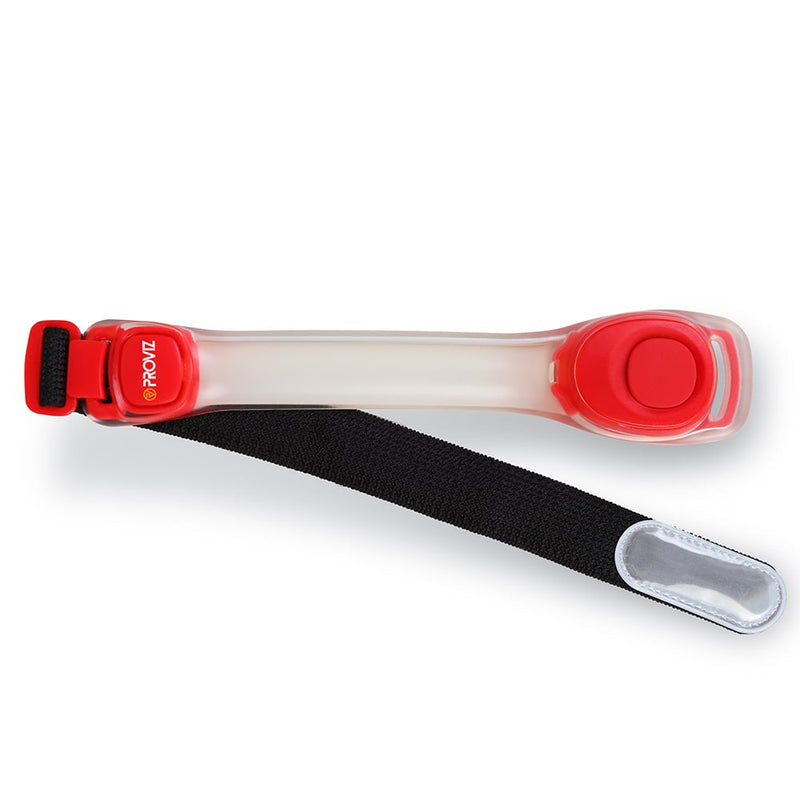
This is where Proviz reflective gear earns its place in your training kit. Our products use advanced reflective technology — sourced and developed to the highest standard — so that every driver, cyclist, and road user sees you clearly, whatever the conditions.
Here's what to look for in your long-run kit:
Reflective Jackets: A quality reflective running jacket is the foundation of safe marathon training. Look for something lightweight enough not to restrict your stride, with 360° reflectivity and weatherproofing for the inevitable rainy long runs. The REFLECT360 Running Jacket turns from a low-key grey to a brilliantly reflective surface the moment a light source hits it — full visibility without the fluorescent look.
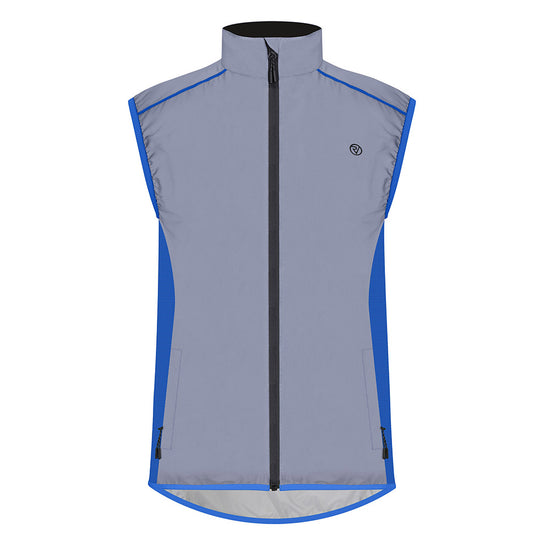
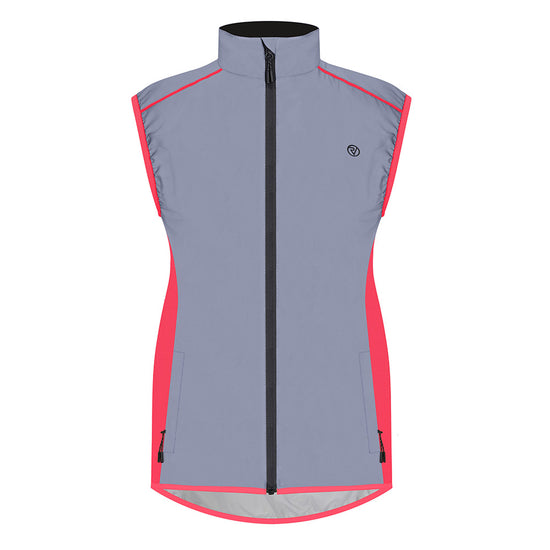
Reflective Gilets: If you already have a jacket you love, a reflective gilet layers easily over the top. Lightweight, packable, and immediately effective for visibility. Our REFLECT360 Running Gilets are a popular choice among training runners who want maximum reflectivity with minimal bulk.
Running Base Layers: Full-length reflective tights mean your legs are as visible as your torso. On a dark road, the movement of a runner's legs is one of the first things drivers notice — reflective detailing amplifies that considerably. Our REFLECT360 Running Tops combine comfort over long distances with the visibility that keeps you safe.
Headwear: A reflective running beanie or headband for the colder months rounds out your visibility kit. Small detail, meaningful difference.

The logic is simple: the more visible you are, the safer your training. And safer training means consistent training. Consistent training means you cross that finish line.
Your First Marathon: A Simple Plan to Get Started This Week
If the Manchester Marathon finish-line energy has lit a spark, here's how to act on it right now:
-
Pick a race and register. The Edinburgh Marathon is in May. The Great North Run (half-marathon — a brilliant stepping stone) is in September. The London Marathon ballot for 2027 opens later this year. Start looking today.
-
Download a training app. Runna, Nike Run Club, or pull up Hal Higdon's Novice 1 plan. Choose one and commit to it.
-
Build your safety kit before the long runs start. Get your reflective gear sorted early — you'll be heading out in the dark more than you think. Browse the Proviz running collection and make sure every long run is a safe one.
-
Tell someone. Sign up publicly, tell a friend, join a running club. Accountability is underrated.
-
Run your first training mile this week. Not tomorrow. This week.
The Final Word: You Already Have What It Takes
Thousands of people crossed the finish line at Manchester last weekend who, eighteen months ago, had never run more than a 5K. They followed a plan. They showed up on cold mornings. They earned their medal one training run at a time.
The marathon is extraordinary precisely because ordinary people do it every single day.
Lace up. Go further. Shine brighter.
Ready to train safely and visibly? Explore the full Proviz reflective running collection here.