

 New Customers Save 20%
 Fast Shipping
 Easy Returns
 1M+ Happy Customers

Turn up to any city park at 6:30pm on a Tuesday and you'll hear it before you see it. Music, chatter, dozens of trainers hitting pavement in unison. Run clubs have quietly become one of the biggest stories in fitness, and increasingly, one of the biggest opportunities in sports marketing. Here's what's driving it, and why it matters.
The Numbers Behind the Boom
Strava's 2024 Year in Sport report clocked a 59% global rise in run club participation, making group running the fastest-growing social activity on its network. The UK is right at the centre of it. Sport England's Active Lives data puts regular runners at over 7 million adults in England alone, with figures closer to 8.5 million once you add Scotland, Wales and Northern Ireland. Then there's parkrun: 13 runners at Bushy Park in 2004, now over 2 million registered participants across 750+ free weekly 5Ks nationwide. This isn't a niche trend anymore. It's mainstream.
Why Now? The Psychology of the Group Run
Ask anyone who's joined a run club why they stuck with it, and fitness usually isn't the first answer. Connection is. With 52% of UK adults admitting to feeling lonely, a weekly run with the same faces has become a genuine answer to a genuine problem, not just a workout. Gen Z in particular are treating run clubs as a serious alternative to swiping through dating apps and scrolling social feeds. Turning up in person, at the same time, every week, builds the kind of consistency that an app can't replicate.
From Grassroots to Big Business
Brands noticed. A run club gives a business something rare: regular, physical access to a loyal, clearly defined audience, without relying on race calendars or a one-off retail transaction. Adidas Runners now operates globally, with local leaders positioning it as inclusive rather than elite. Midnight Runners started in London in 2015 as a midweek release for overworked professionals and now runs in 18 cities worldwide, regularly pulling 150 to 200 people to a single session. Gymshark drew over 400 attendees to a shakeout run from its Regent Street flagship, and Lululemon pulled 100-plus runners through Manchester city centre the day before the Manchester Marathon. Even outside sport, brands like Mikkeller (yes, the Danish brewery) run their own global running network.
It's Not Just the Global Players
Closer to home, Manchester's own Keep on Moving, founded by Jimi Harrison, has become one of the clearest examples of grassroots-to-big-business growth. Harrison describes the movement as close to "a new sub culture", and he's not exaggerating. Independent specialty retailers like Runners Need and Up & Running have built their own community hubs around the same idea, hosting group runs and gait analysis sessions that turn a shop into a weekly meeting point. The global running shoe market alone was valued at around $51 billion in 2024, and industry research shows 73% of brand visibility in running is still driven by brand trust and familiarity rather than any single product. Run clubs are exactly where that trust gets built.
What This Means for Proviz
Community has always been one of our core values, not a bolt-on. As run clubs reshape how runners train, connect and discover new gear, it's exactly the kind of space we want to be part of. So don't be surprised to see Proviz getting more involved in the run club world soon. Watch this space.

Kit for However You Train
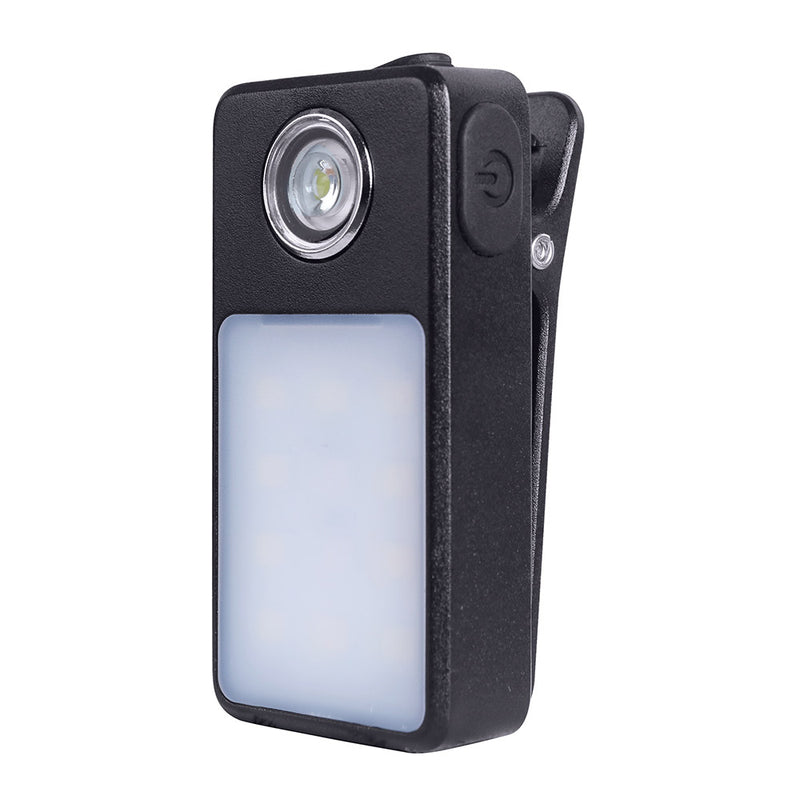
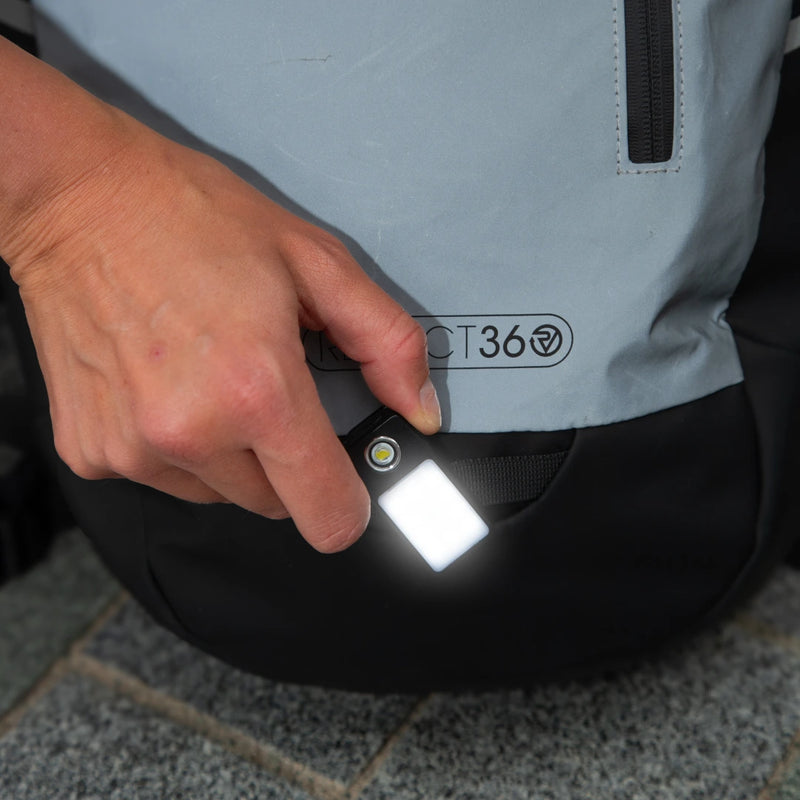
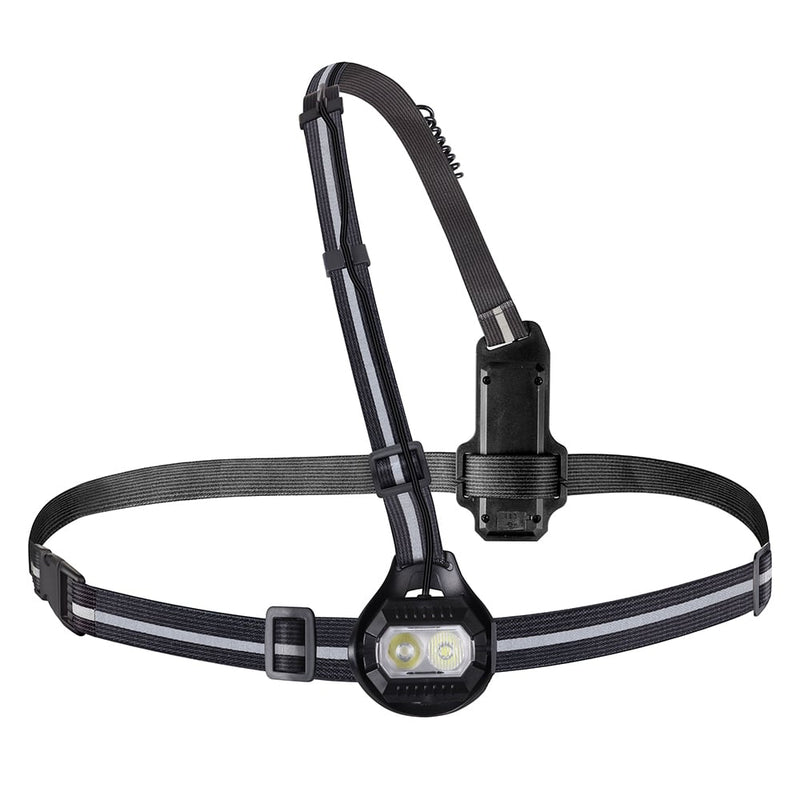
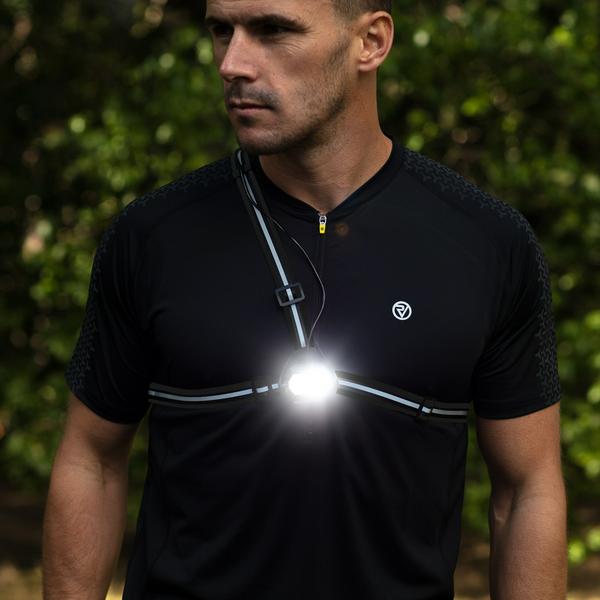
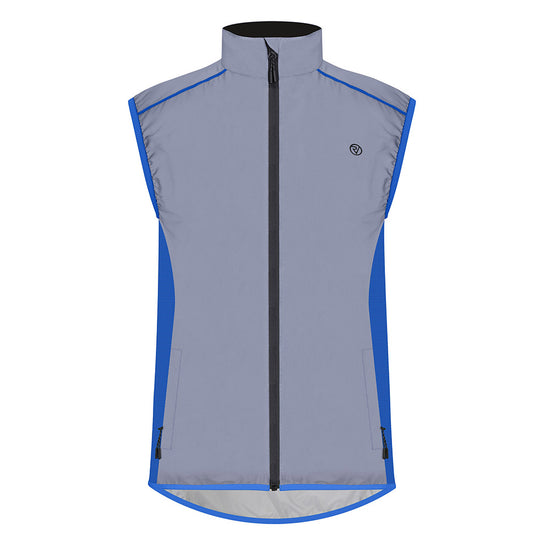
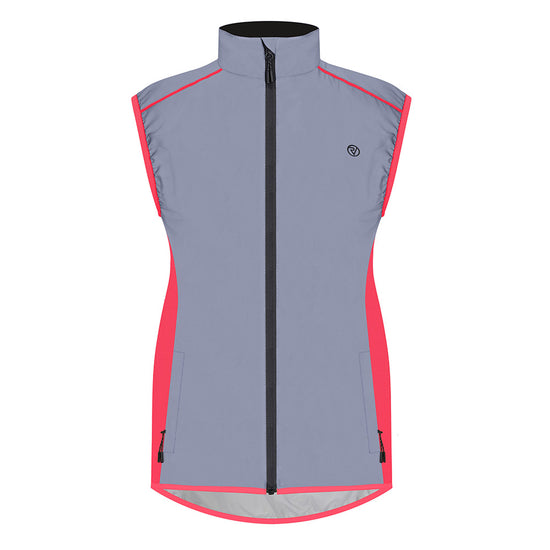
Whether you're running solo before work or meeting your club under streetlights on a Tuesday night, visibility matters just as much as who you're running with. Our REFLECT360 running gear is CE EN 20471 certified and built for exactly those group sessions that start or finish in low light. Browse the full running collection and make sure you're seen, whoever you're running alongside.