

 New Customers Save 20%
 Fast Shipping
 Easy Returns
 1M+ Happy Customers

The Clocks Went Back. Your Commute Home Changed Overnight.
Same route. Same time. Different conditions.
When the clocks go back, the run or ride you did in daylight last week now finishes in dusk or full dark. For many of us, it's the first time since spring that we've headed home without the sun.
Drivers are adjusting too. Their eyes, their habits and their expectations are still catching up with the darker evenings, and that makes the first week one of the most important weeks of the year to be seen.
Most people don't change their kit until something makes them feel unseen: a car pulling out a little too close, a cyclist appearing out of nowhere, a stretch of road that suddenly feels unfamiliar. You don't need to wait for that moment.
Here's a quick checklist to run through this week. It takes around ten minutes and makes every journey home feel more confident.

Your First-Week Visibility Checklist
Work through these ten checks before your next evening run, ride or walk. Tick them off as you go.
- Check your route at the time you'll actually use it. Walk, run or ride it once in the dark. Note the unlit stretches, underpasses and junctions where you're harder to spot.
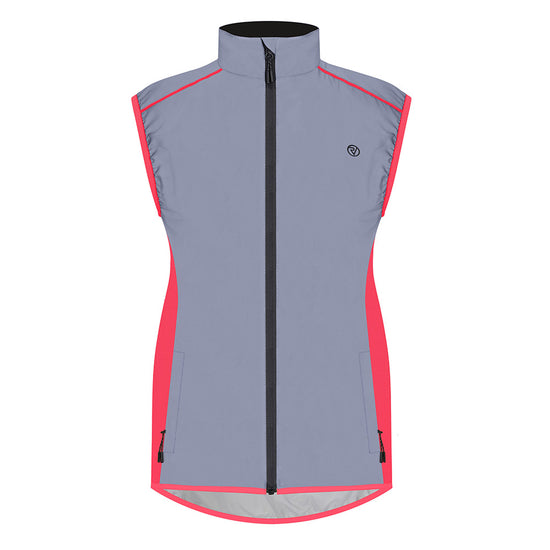
- Swap your dark outer layer for a reflective one. Black and navy disappear in headlights. A reflective jacket or gilet does the opposite.
- Put reflectivity on the parts of you that move. Arms, wrists, ankles and feet. Movement helps drivers recognise you as a person, faster.
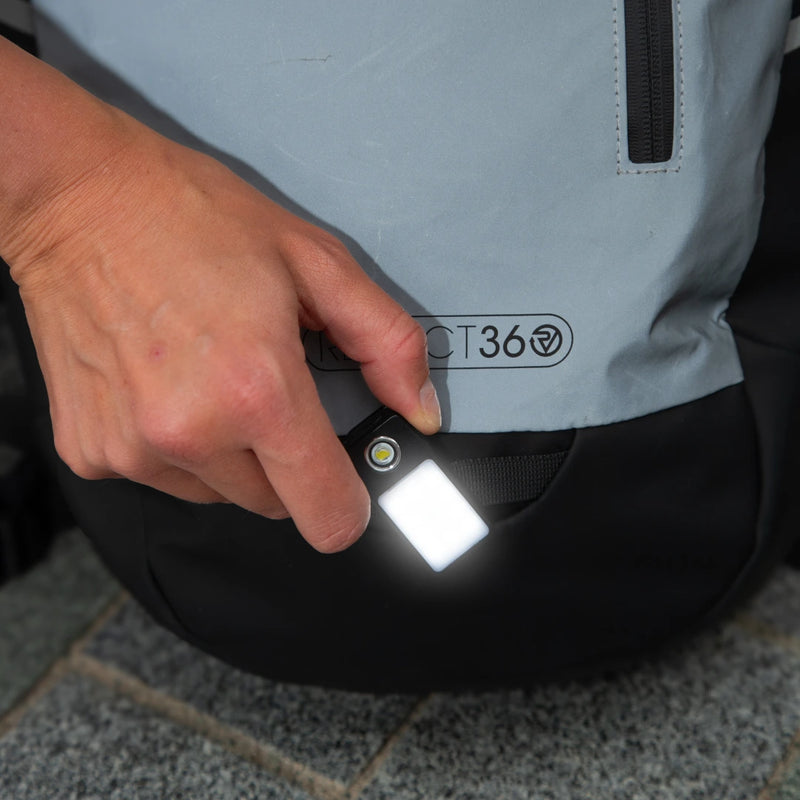
- Use a light as well as reflective kit. Reflective materials need a light source to shine back. A light makes you visible where headlights don't reach. Runners count too.
- Set a charging routine. Plug your lights in as soon as you get home, every day. A flat light can't help you.
- Check your bag. A dark backpack can cover the reflective panels on your jacket. Make sure what's on your back can be seen.
- Choose lit routes where you can. A slightly longer, better-lit route is often the smarter choice during the darkest weeks.
- Let someone know your route and timing. Especially for new routes or solo runs.
- Do a quick flash test. Take a photo of your kit with the flash on, or shine a torch at it in a dark room. If it doesn't light up, it won't light up on the road either.
- Sort the family too. School runs and after-school activities move into the dark as well. Kids' kit needs the same check.
Save this list or screenshot it. It's worth running through again whenever your routine changes.
Lights vs Reflective: Why You Need Both
Lights and reflective kit do two different jobs. Used together, they cover each other's gaps.
Lights make you visible first. They work on unlit paths, in fog and rain, and to drivers who haven't yet turned their headlights towards you. They help people spot you from a distance.
Reflective kit makes you unmistakable up close. Reflective materials bounce light from headlights straight back towards the driver, so you stand out brightly as they approach. They need no batteries and no charging.
That's the thinking behind REFLECT360, Proviz's core reflective technology, certified to CE EN 20471. It's designed to keep you highly visible without compromising on style or performance.
The simplest rule for dark evenings: a light to be seen, reflective kit to be recognised.
The First-Week Kit Edit: Three Pieces, Sorted
You don't need a full wardrobe change. These three pieces cover the biggest gaps on the checklist.
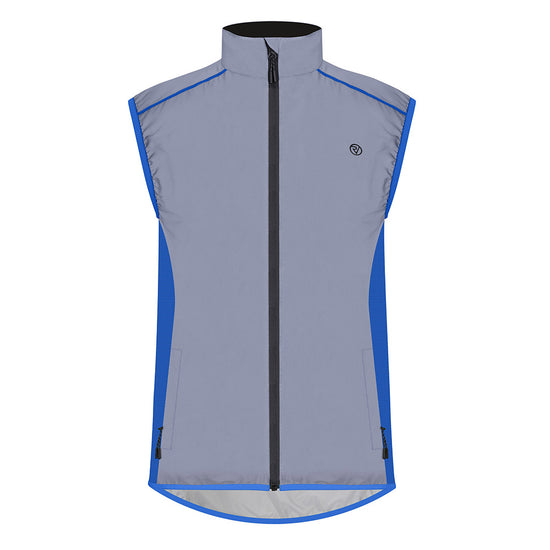
1. A reflective jacket The single biggest change you can make. Swapping a dark layer for a reflective one turns you from hard-to-spot into hard-to-miss in headlights. Choose from running, cycling and everyday styles in the jackets collection.
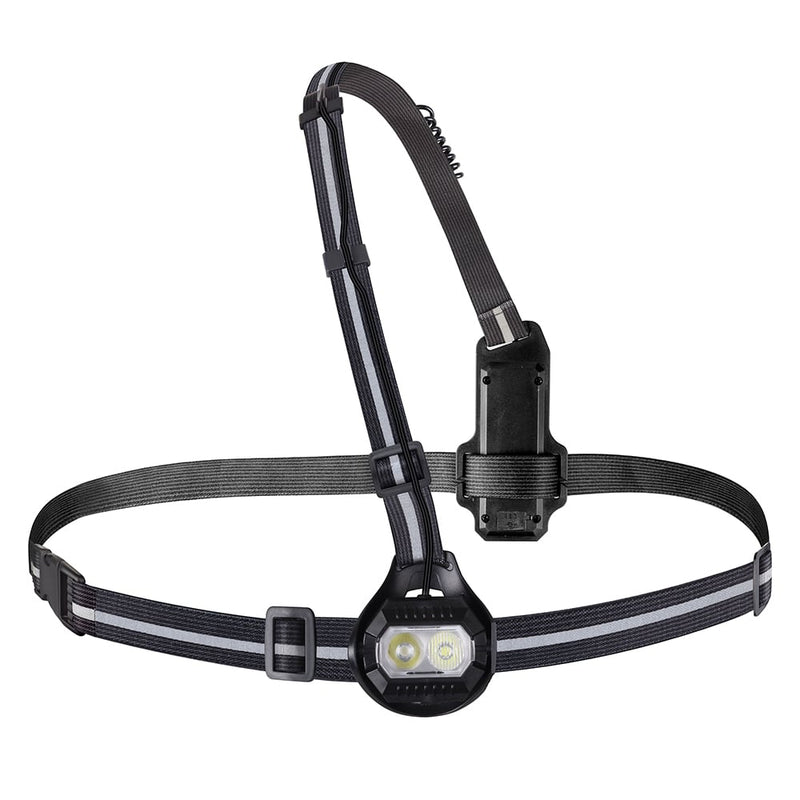
2. The LED360 Chest Light Your light and your charging routine, sorted in one. It's USB rechargeable, waterproof to IPX4 and delivers 500 lumens, with visibility of 100m+. At 161g, it sits comfortably on the chest while you run.
3. The Fully Reflective Cycling & Commuting 30L Backpack The answer to checklist item six. Your bag becomes part of your visibility, rather than something that covers it.
Join over 1 million customers who've already chosen to shine brighter, backed by more than 7,000 five-star reviews.
Make the First Dark Week Count
Darker evenings mark the start of winter training season. With the right kit and a few simple habits, they can be some of the best runs and rides of the year.
Use this first week to build the routine: run through the checklist, charge your lights, and find a route that feels comfortable in the dark. Once it's set, it stays set all winter.
Out there this week? Share your first dark-evening run or ride with #ShineBrighter and #NIGHTMODE. We'd love to see you glow.