

 BRIGHT FRIDAY 25% OFF
 Fast Shipping
 Easy Returns
 1M+ Happy Customers

Country lanes are some of the best riding in the UK. They’re quiet and scenic, and they’re often the most direct route between villages. After dark, they change completely. There are no streetlights, there are blind bends, and traffic can be doing 60mph.
The clocks have gone back, so most commutes and after-work rides now finish in darkness. This guide covers what UK law requires, how to position yourself on unlit lanes, and how to make sure drivers see you early enough to react.
Why are dark country roads riskier than town riding?
The main problem on rural roads is time, not traffic volume. In town, streetlights and lower speed limits give drivers time to spot you. On an unlit lane, a driver may only see you when their headlights reach you, and at the national speed limit that gap closes in seconds.
Rural roads after dark also bring their own hazards:
- No ambient light. You are only visible where your lights and reflective kit catch a driver’s headlights.
- Blind bends and dips. Drivers coming round a corner have very little warning.
- Higher speeds. Single-carriageway country roads often carry the national speed limit.
- Road surface. Mud, gravel, wet leaves, potholes and hedge-cutting debris are harder to spot in the dark.
- Limited help nearby. A mechanical problem or fall is harder to deal with miles from the nearest village.
The aim is simple: be seen from as far away as possible, and be recognised as a cyclist straight away.
What does UK law require for cycling at night?
Between sunset and sunrise, the law (the Road Vehicles Lighting Regulations, summarised in Rule 60 of the Highway Code) says your bike must have:
| Requirement | What it means |
|---|---|
| White front light | Must be lit when riding between sunset and sunrise |
| Red rear light | Must be lit when riding between sunset and sunrise |
| Red rear reflector | Fitted to the back of the bike |
| Amber pedal reflectors | Front and back of each pedal (bikes made after October 1985) |
Flashing lights are legal, but on unlit roads a steady front light is the better choice. It lets you see the road surface, and it helps drivers judge your distance and speed. Many riders use a steady front light with a flashing rear, or run a second rear light on steady.
The Highway Code also recommends that cyclists wear light-coloured or fluorescent clothing in daylight and poor light, and reflective clothing or accessories in the dark (Rule 59).

How bright should bike lights be for country lanes?
Lights built for town riding are designed to make you seen. On an unlit lane, you also need to see the road ahead. As a rule of thumb:
| Light | Town riding | Unlit country lanes |
|---|---|---|
| Front | Lower-output “be seen” light is often enough | Higher-output light with a beam that lights the road surface |
| Rear | One red light | Two red lights (one steady, one flashing) is worth considering |
| Side visibility | Helpful | Important at junctions and farm entrances |
| Backup | Optional | Carry a spare or fully charged backup |
Three habits make a big difference:
- Angle your front light down slightly. You need to light the road, not dazzle oncoming drivers. A dazzled driver can’t see you or the road properly.
- Charge before every ride. Cold weather drains batteries faster. Know your light’s runtime and plan your ride around it.
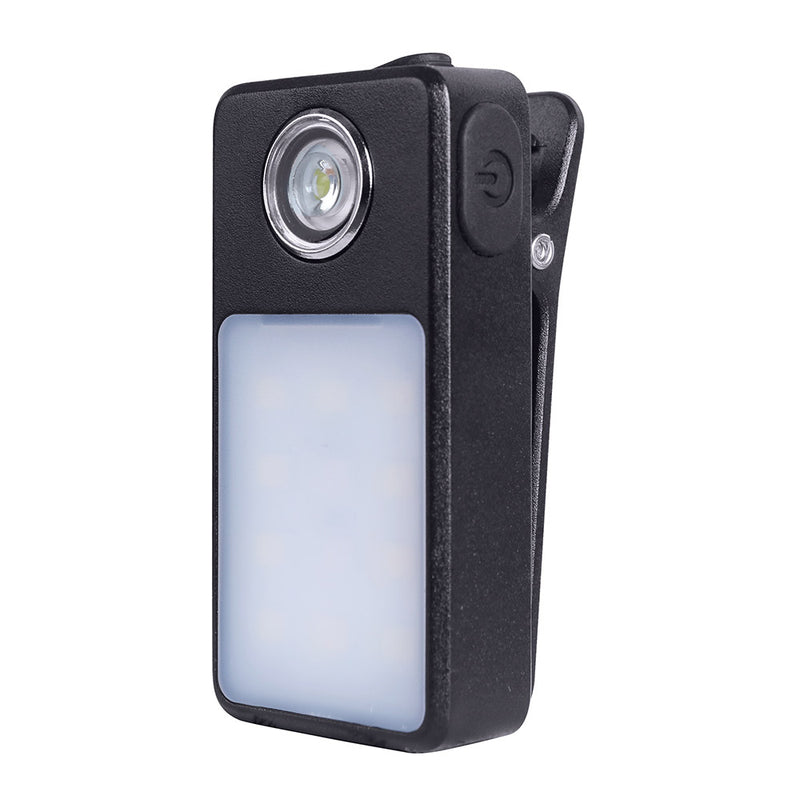
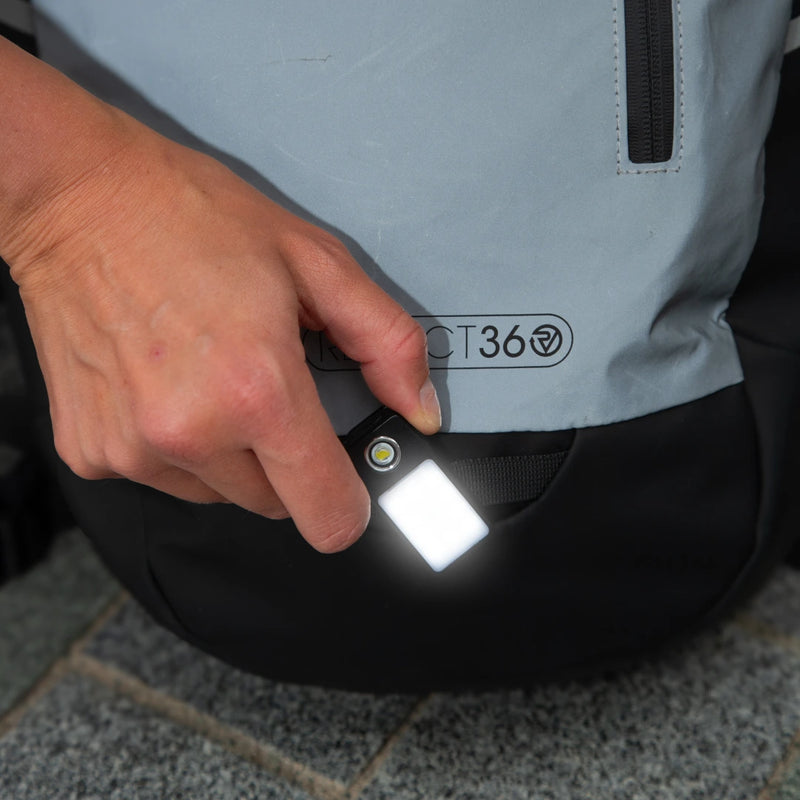
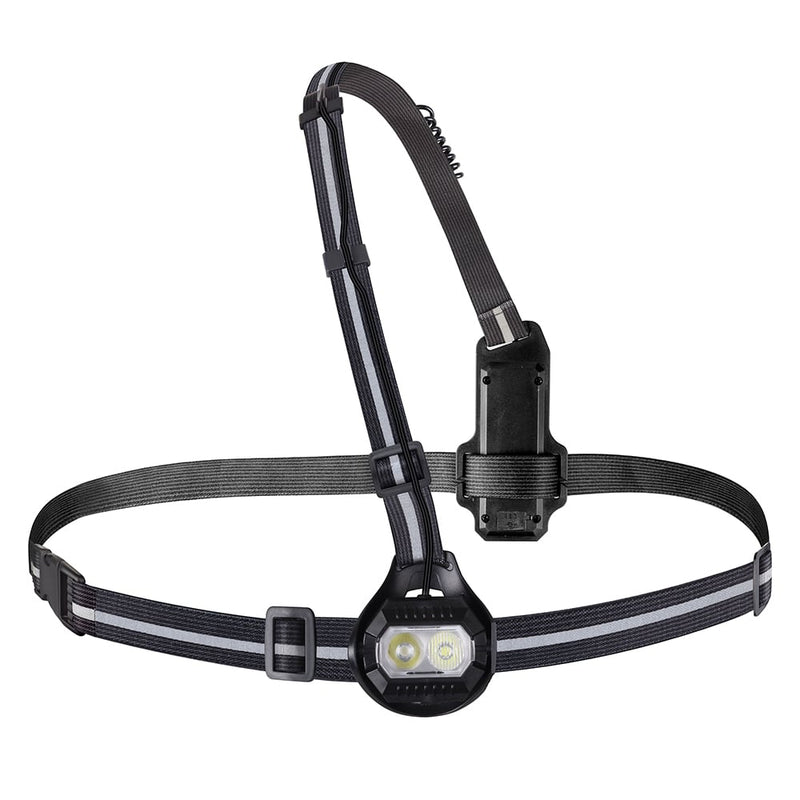
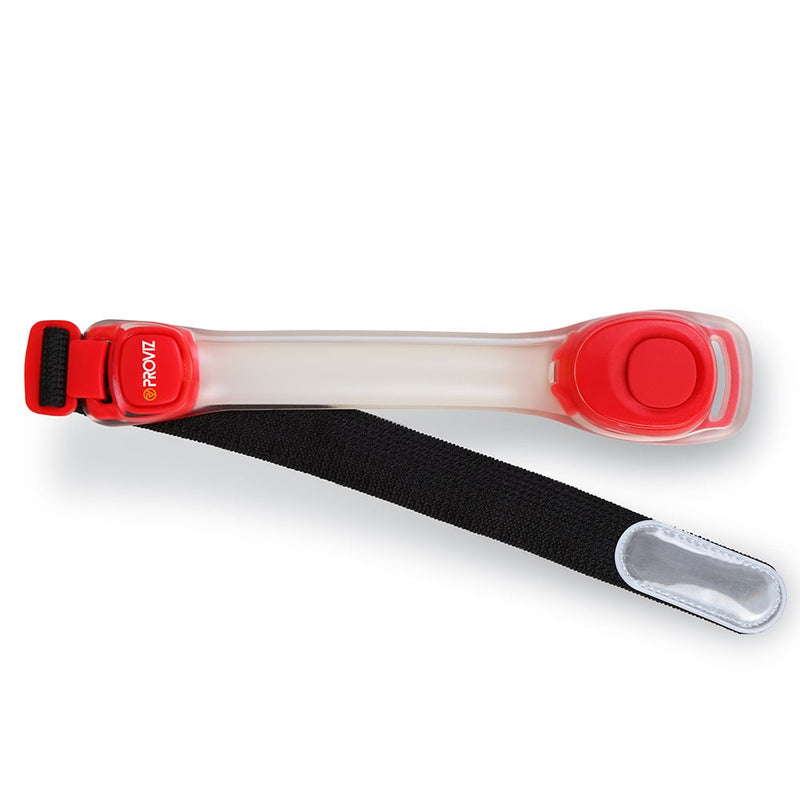
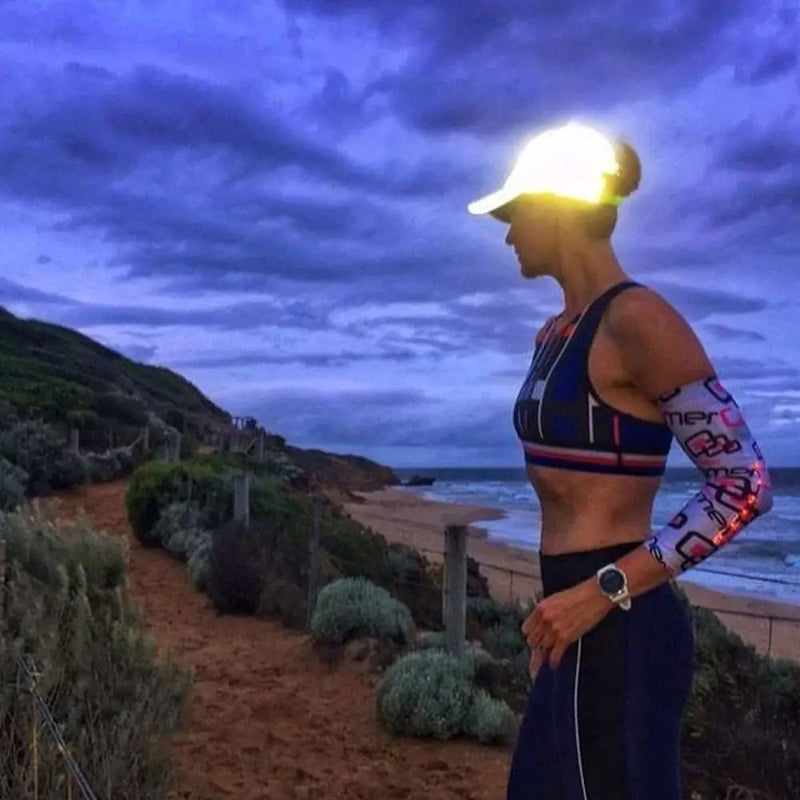
- Add a light to your body, not just your bike. A chest or helmet light moves with you and points where you look, which helps on bends.
Browse Proviz bike light accessories here: https://provizsports.com/collections/lighting-accessories
How should you position yourself on a narrow rural road?
Road position is one of the most effective safety tools you have, and it costs nothing.
- Ride a confident line. Hugging the verge puts you in the gravel and potholes, and it invites drivers to squeeze past. Riding about a metre out from the edge keeps you on cleaner tarmac and makes you more visible.
- Take the centre of the lane when it’s unsafe to pass. The Highway Code (Rule 72) says cyclists can ride in the centre of the lane on quiet roads, in slower traffic and at road narrowings. This tells drivers clearly not to overtake on a blind bend or narrow section.
- Move over when it’s safe. On a straight with good sight lines, pulling in lets traffic pass and keeps everyone calm.
- Know your passing distance rights. Since the 2022 Highway Code update, drivers should leave at least 1.5 metres when overtaking cyclists at speeds up to 30mph, and more space at higher speeds.
- Riding in a group? Two abreast is allowed and can be safer on wider roads, since drivers have to overtake properly. On narrow lanes, or when traffic is building behind you, single file is more considerate (Rule 66).
What should you wear to be seen on dark country roads?
You need two different kinds of visibility, and dark rural roads expose the difference between them.
Fluorescent (hi-viz) fabric works in daylight, dusk and dawn. It turns UV light into bright colour, so it stands out in grey winter light. It doesn’t help much once it’s fully dark.
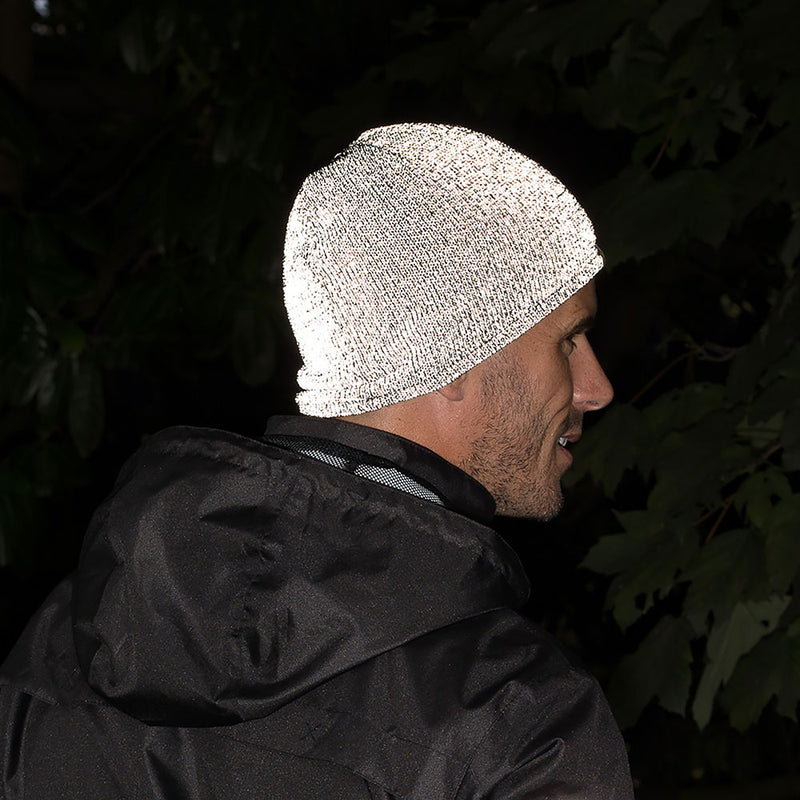
Reflective material works in darkness. It bounces a driver’s headlight beam straight back to them, so you light up as they approach. On an unlit lane, headlights are often the only light around, so reflective coverage matters most.
We cover this in detail in our guide: Hi-Viz vs Reflective Jackets: Why Every Cyclist Needs Both
Put reflective kit on the parts that move. Research into “biomotion” suggests drivers recognise a human shape faster when reflective material sits on the joints that move: ankles, knees and wrists. A pair of pedalling ankles reads instantly as “cyclist”. A small reflective patch on your back may not.
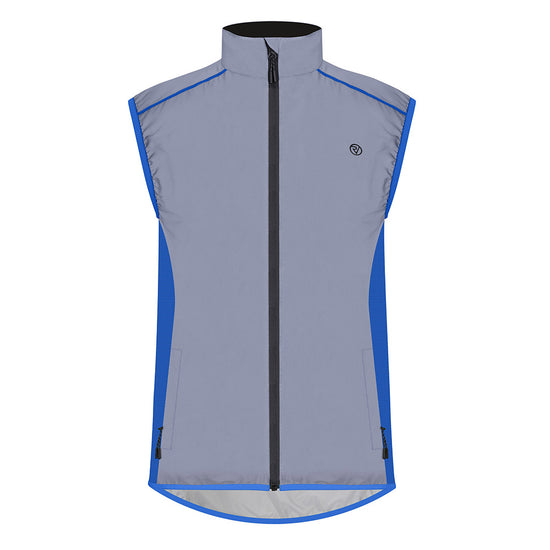
Two Proviz jackets are built for these conditions:
-
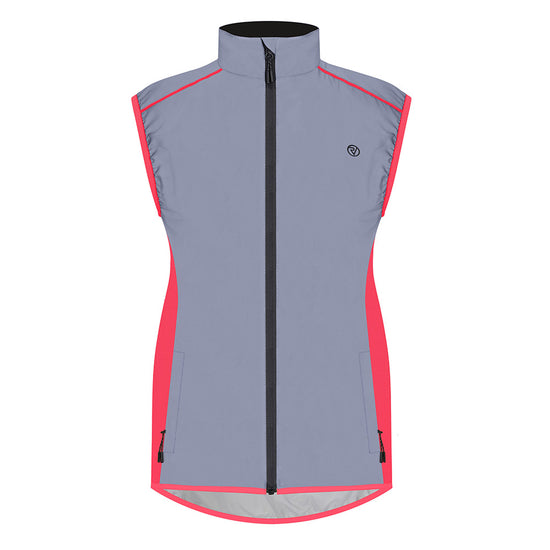
APEX 100% Reflective Waterproof Cycling Jacket. The entire outer fabric is reflective, so you light up from every angle when headlights hit you. It’s a good choice if most of your riding is in full darkness.

-
Nightrider Cycling Jacket. Fluorescent fabric with reflective detailing, covering daylight, dusk and dark. It suits riders whose commute starts in daylight and finishes after sunset.

Shop Cycling Jackets - https://provizsports.com/collections/cycling-jackets
Rural night-riding checklist
Run through this before you head out:
| Check | Done? |
|---|---|
| Front and rear lights fully charged | ☐ |
| Backup light or spare battery packed | ☐ |
| Front light angled to avoid dazzling drivers | ☐ |
| Pedal and rear reflectors clean and in place | ☐ |
| Reflective jacket or reflective layer on | ☐ |
| Reflective detail on ankles or legs | ☐ |
| Tyres checked for wear and correct pressure | ☐ |
| Puncture repair kit, pump and multi-tool | ☐ |
| Phone charged, route shared with someone | ☐ |
| Warm layer packed (temperatures drop fast after dark) | ☐ |
Plan your route with the dark in mind
- Ride it in daylight first. Learn where the potholes, sharp bends and junctions are before you ride the route at night.
- Avoid fast “rat-run” lanes at rush hour. A slightly longer route on quieter roads is often the safer one.
- Watch for farm traffic. Tractors and machinery leave mud on the road and pull out from field entrances, especially during harvest and hedge-cutting season.
- Give yourself extra time. Rushing on an unfamiliar dark lane is when mistakes happen.
Frequently asked questions
Is the APEX jacket better for night riding than a hi-viz jacket?
In full darkness, yes. The APEX is 100% reflective, so the whole jacket returns light to a driver’s headlights from any angle. A fluorescent hi-viz jacket is better in daylight and dusk. If you ride in both conditions, read our hi-viz vs reflective guide for help choosing.
Is the APEX jacket waterproof?
Yes. The APEX is a waterproof cycling jacket, designed for wet UK winter riding as well as darkness.
What’s the difference between the APEX and Nightrider jackets?
The APEX is fully reflective and built for maximum visibility after dark. The Nightrider uses fluorescent fabric with reflective details, so it covers daylight, dusk and darkness in one jacket.
Which jacket is best for a commute that starts in daylight and ends in the dark?
The Nightrider is designed for exactly that mixed-light commute. If most of your riding is fully after dark on unlit roads, the APEX gives you more reflective coverage.
Do I still need bike lights if I wear a reflective jacket?
Yes. Lights are a legal requirement between sunset and sunrise, and reflective material only works when another light source hits it. Use the two together: lights so you can see and be seen, and reflective kit so drivers recognise you as a cyclist.
Ride confidently this winter. Explore Proviz cycling jackets